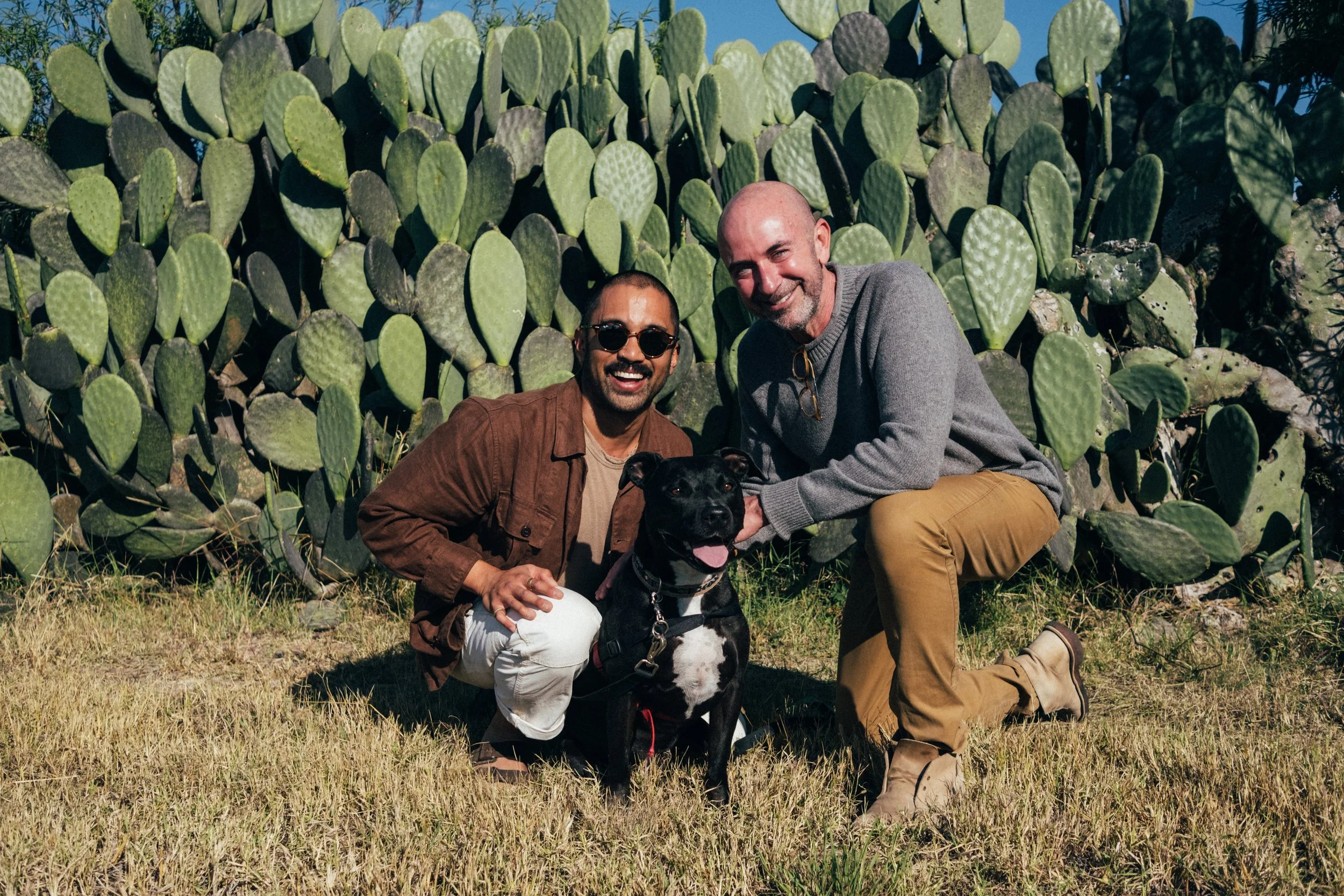
Hi, friends. Happy September. Here we are, approaching fall.
This Living Letter might be a little messy. I am still wrapping my head around it. These Living Letters let me speak from inside a question before I have polished it into an answer. Lately, the question is this: Why does modern life feel so stressful, even when our lives look functional from the outside?
As a practitioner, I am always reforming my philosophy about how I live and work with people. Right now, I keep returning to the tension between the modern American lifestyle and our nature as human animals.
I am not suggesting that we abandon society or romanticize the past. I am wondering whether some of our exhaustion makes sense. Maybe the body is not failing to keep up. Maybe it is responding honestly to a pace, environment, or way of living that has asked too much of it for too long.
When the foot stays on the gas
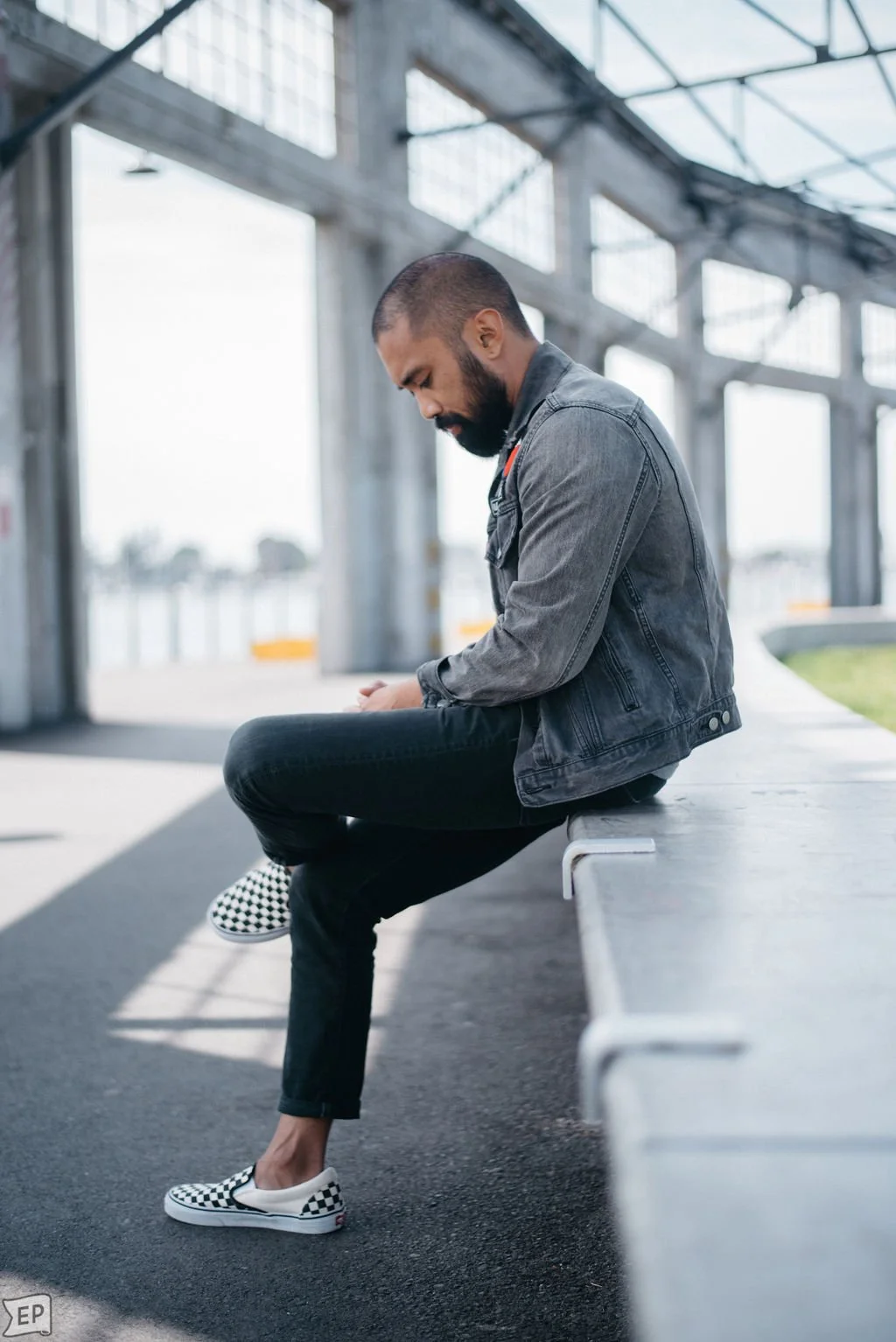
Oakland circa 2018
I remember living in Oakland and waking up tired. I dreaded work. I did not want to get out of bed, partly because I had lost the personal meaning in what I was doing. The work itself was impactful. It mattered to the communities I served. But somewhere along the way, I could no longer feel how it mattered to me.
That loss of meaning became emotional exhaustion. Then the exhaustion began shaping my choices. I stayed up late. I drank too much. I partied on weekends, then woke up and did it all over again. Those behaviors did not restore me, but at the time they gave me a way to get through a life I did not know how to change.
I was also surrounded by go-getters. The Bay Area is home to Silicon Valley. We knew how to hustle, climb, build, contribute, and keep moving. There was beauty in that life too, including community, activism, friendship, and fun. I do not want to flatten those years into a cautionary tale.
Still, my body was keeping a different record. I would wake already mobilized, as if the day had begun before I had chosen to enter it. There were deadlines, bills, insurance, rent, food, and the constant calculation of how to build a meaningful life while paying for it. I felt trapped, and I did not know how to get out.
My life in Mexico is different. The pace is slower. I have more space to rest and take care of myself, and I feel more personal meaning in my work. Moving did not remove every pressure or make me immune to stress. It gave me enough contrast to recognize how long my foot had been pressing the gas.
Sometimes we do not know a rhythm is unsustainable until our body experiences another one.
What chronic stress asks the body to carry
Stress is not the enemy. A healthy stress response helps us mobilize, focus, protect ourselves, meet a challenge, and act when action is needed. Our bodies are built for activation. They are also built for recovery.
The trouble is that many modern stressors do not have a clean ending. A deadline passes and another appears. The rent gets paid and next month is already waiting. Traffic clears, but the nervous system may still be gripping the steering wheel. The threat is rarely a predator we can outrun. It is often an ongoing pressure tied to security, belonging, identity, responsibility, or the future.
The body can adapt to that pressure for a long time. It may tighten the jaw, shorten the breath, disturb sleep, flatten desire, or make stillness feel uncomfortable. Some people become more driven and vigilant. Others feel foggy, numb, irritable, or depleted. These responses are not proof of weakness. They may be the body's attempt to manage a load that has not allowed enough completion or rest.
Burnout is one name for part of this experience, though it has a specific meaning. The World Health Organization defines burnout as an occupational phenomenon associated with chronic workplace stress that has not been successfully managed. It includes exhaustion, cynicism toward work, and reduced professional efficacy. It does not explain every tired body.
What is clear is that long-term stress deserves our attention. The National Center for Complementary and Integrative Health notes that chronic stress may contribute to or worsen problems involving sleep, digestion, headaches, anxiety, depression, and other aspects of health. That is more measured than saying stress directly causes every illness, but it is still significant. The body can be remarkably adaptive, and adaptation still has a cost.
This is why I want to meet coping patterns with compassion. Staying busy, drinking, scrolling, working late, or filling every weekend may provide temporary relief, stimulation, or distance from what feels unbearable. That does not mean every coping strategy is harmless. It means shame alone will not help us understand what the strategy has been trying to do for us.
Returning to our nature is not a fantasy about the past
This question has been shaped by teachers like Peter Levine and Stephen Porges, and by books including Sapiens by Yuval Noah Harari, Good Stress by Jeff Krasno, and Indoor Epidemic by Dr. John La Puma. Each has made me think differently about stress, evolution, environment, and the way a body moves through the world.
I do not believe our true nature is permanent calm. Animals run, fight, pursue, protect, play, rest, and adapt. Human beings can do hard things. We can meet challenge, build cities, care for families, create businesses, and work toward a future. The problem is not effort. The problem may be a life with effort everywhere and recovery almost nowhere.
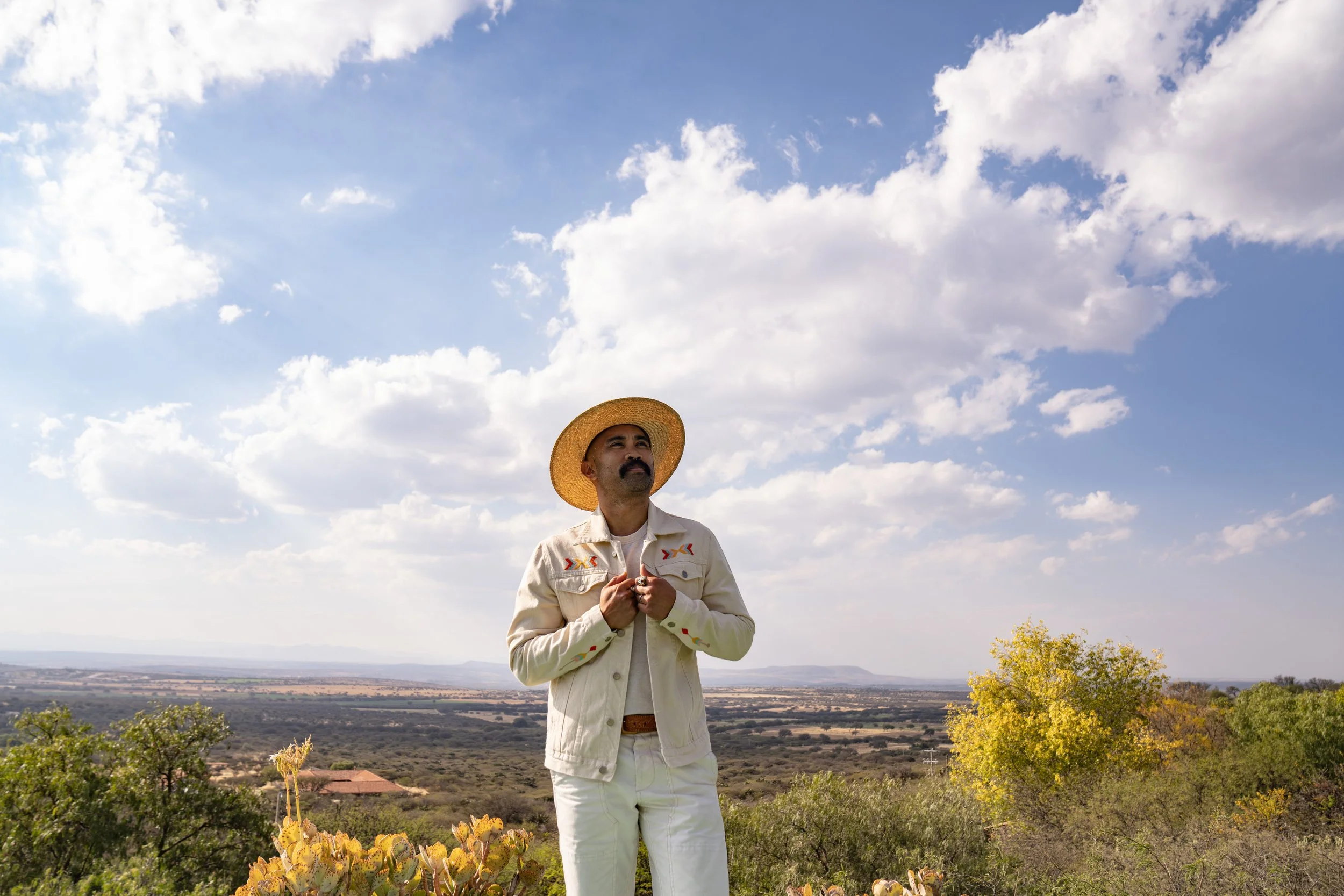
Returning to our nature can include literal nature. A broad review of research on nature exposure and health found that contact with natural environments was associated with a range of health benefits, while experimental studies suggested benefits for some mental health and cognitive outcomes. Time outside is not a cure, and access to safe green space is not equal. Still, light, air, trees, movement, and a wider visual horizon can offer input that an indoor life may not provide.
But nature is larger than going for a walk. It is also rhythm. Sleep and wakefulness. Exertion and release. Solitude and relationship. Purpose and play. Hunger, satisfaction, grief, pleasure, touch, movement, and enough time to sense what is happening inside us.
Maybe returning means remembering that the body is not a machine attached to a calendar. It cannot be optimized into having no needs. It can override fatigue, loneliness, hunger, or grief for a while, especially when survival requires it. But eventually, what has been muted begins to speak through exhaustion, resentment, disconnection, pain, or a quiet loss of aliveness.
You may not need to leave your life to change its rhythm
Moving to Mexico was our answer. It is not everyone's answer, and I do not know what yours is. Many people cannot leave their city, change careers, reduce their hours, or step away from caregiving and financial responsibility. Slow living can become insulting when it ignores rent, healthcare, discrimination, family obligations, and the structures that keep people under pressure.
Some stress is not a mindset problem. The CDC's National Institute for Occupational Safety and Health describes job stress as a mismatch between work requirements and a worker's capabilities, resources, or needs. That matters because a breathing practice cannot repair an unsafe workplace, inadequate staffing, impossible expectations, or insufficient pay. Sometimes the environment needs to change, not just the person inside it.
Even when a large change is not available, you can begin by noticing the mismatch. Where does your body brace before the day has started? What part of your life requires you to override yourself repeatedly? Which pressure is truly unavoidable, and which urgency has become automatic?
You do not have to answer all of that today. Choose one place where your system might receive a different message. It could be five minutes outside before opening your phone, one meal eaten without working, a clearer boundary around when the day ends, or a conversation in which you admit that the current pace is not sustainable. The point is not to perform calm. The point is to create one honest interruption in the pattern.
I wrote more about this in my reflection on how to slow down in life. Slowing down does not have to mean giving up ambition. It can mean building a life at a pace your body can remain present for.
My philosophy is still evolving. This is my life's work, so I expect it to keep changing as I learn, live, and listen. What feels clear today is that constant deadlines, daily traffic, too little rest, and work emptied of personal meaning can pull us away from something essential. Not a perfect ancestral past, but the living body that is here now, trying to tell the truth about what it can sustain.
I work with cis, gay, bi, trans, and queer men whose lives and histories do not fit one mold. If your foot has been on the gas for years and something in you knows the current rhythm cannot continue, you are invited to explore somatic coaching for men. We do not have to force an answer. We can begin by listening for the change your body is already asking for.