

Somatic Coaching for Men
A body-based approach for men who feel stressed, shut down, disconnected, or stuck
What is Somatic Coaching for Men?
Somatic coaching for men is a body-based approach for men who feel stressed, burned out, emotionally disconnected, reactive, or stuck in patterns that insight alone has not changed.
You may look like you’re functioning on the outside. You handle responsibility. You show up for work, family, partnership, or community. But underneath that, something feels off.
Maybe you feel numb. Maybe you feel anxious, shut down, or disconnected from your body. Maybe you’ve done a lot of reflection, personal growth, or therapy, but you still find yourself repeating the same patterns.
This work helps you slow down, understand what your nervous system is doing, and begin relating to yourself differently.
Why Men Seek Somatic Coaching
A lot of men come to this work because something in their life is no longer sustainable.
You may be carrying chronic stress, burnout, relationship strain, grief, loneliness, low self-worth, or a quiet sense that you’ve drifted away from yourself. Some men arrive in the middle of a rupture like a breakup, divorce, health issue, or major transition. Others come because nothing is exactly wrong, but something feels muted. They can tell they are surviving more than living.
Many men have learned how to push through, overthink, stay busy, or numb out. Those patterns often make sense. They are not signs that you are broken. They are often protective strategies that helped you get through something.
Signs You May Be Feeling Disconnected From Yourself
-
Feel emotionally numb or flat
-
Get overwhelmed easily or shut down under stress
-
Have a hard time relaxing, even when life looks fine on the outside
-
Feel disconnected from your body, emotions, or desire
-
Overthink everything but still feel stuck
-
Struggle with confidence, boundaries, or self-worth
-
Feel lonely in your relationship or distant from people you love
-
Lack self-motivation and energy
-
Notice that burnout, pressure, or anxiety have become your normal
-
Find it difficult to express yourself
Why Insight Alone Is Not Always Enough
A lot of men who find me are thoughtful and self-aware. They’ve read the books, listened to podcasts, and often done meaningful work on themselves already.
And yet, they still do not feel different.
That is not because they are failing. It is often because the body is still carrying stress, shutdown, or old survival responses that insight alone cannot fully reach.
You can understand something intellectually and still freeze during conflict. You can know where a pattern comes from and still feel powerless to change it in the moment. This is where men’s somatic coaching can be powerful.
A body-based approach to healing and growth.
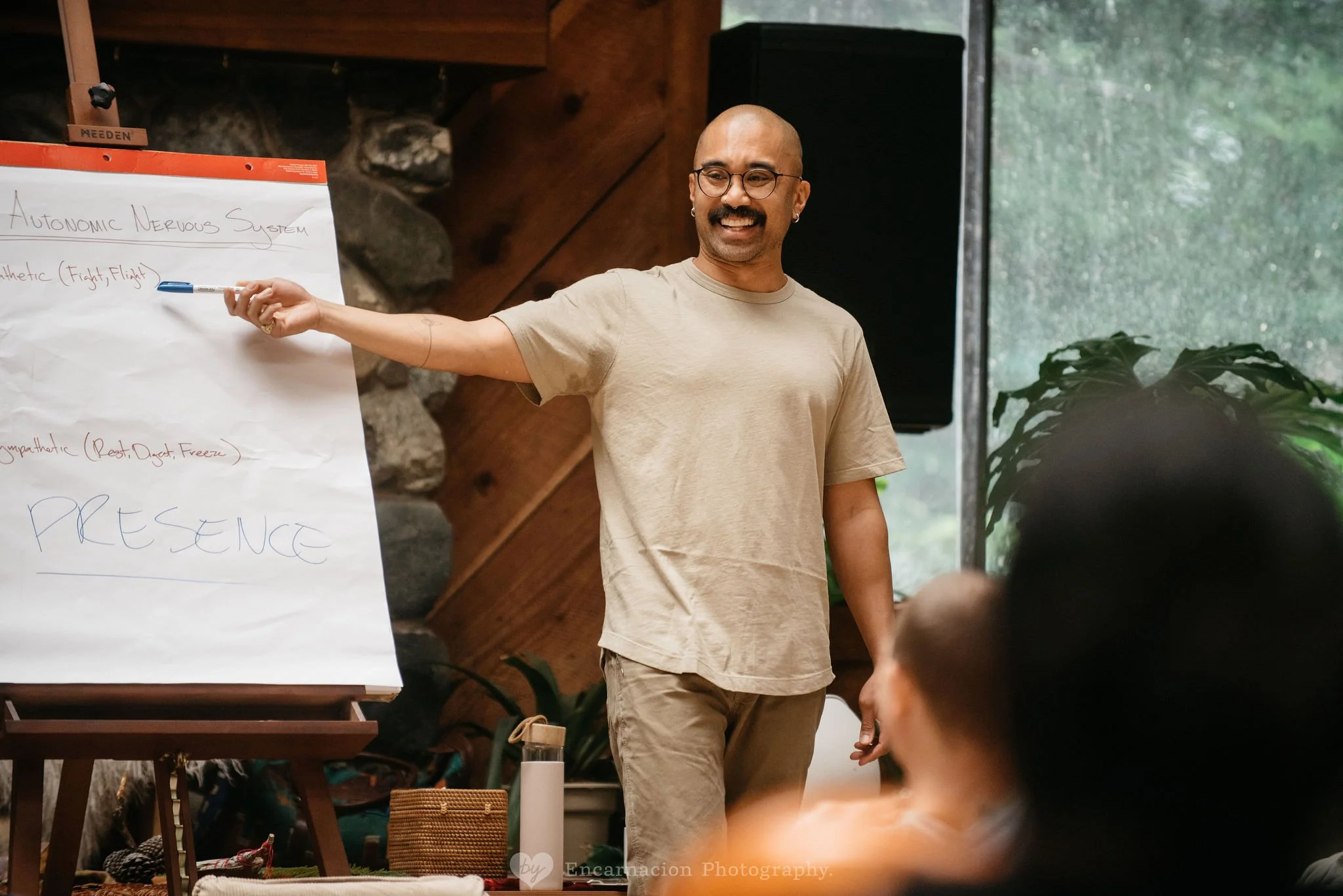
Instead of only talking about your life, we also pay attention to how your life is living in your body. We track the nervous system. We slow things down. We notice breath, tension, activation, collapse, sensation, impulse, and emotion.
This does not mean every session is intense. It does not mean you need to perform emotion. A lot of this work is subtle. It is about learning how to listen to yourself more honestly and creating enough safety in your system that you can begin to respond differently.
What Somatic Coaching Can Support
-
Chronic stress and burnout
-
Anxiety, shutdown, or emotional numbness
-
Relationship struggles or fear of intimacy
-
Low self-worth or lack of confidence
-
Disconnection from the body, emotions, or sexuality
-
Grief, heartbreak, or major life transitions
-
People-pleasing, over-functioning, or difficulty setting boundaries
-
Shame, self-criticism, or feeling like you are never enough
-
Healing from trauma, including childhood trauma or sexual abuse
-
Wanting to feel more present, more alive, and more grounded in yourself
What to Expect From Somatic Coaching Sessions
Sessions with me are a place to slow down, tell the truth, and come back into contact with yourself.
They can be reflective and experiential. And they may include guided somatic practices, breath, nervous system education, body awareness, and real-time tracking of patterns as they arise.
You do not need experience with somatic work before you begin or arrive already regulated or emotionally articulate. You just need some willingness to be honest about what is happening and some curiosity about doing things differently.
Over time, many men begin to feel less reactive, less shut down, and more connected to their bodies, emotions, and relationships.
Somatic coaching is not a quick fix. It is a practice of building relationship with yourself over time.
Some shifts happen quickly. Others unfold more gradually. As we work together, we build awareness, capacity, and trust. You may leave sessions with more clarity, more language for your experience, and more grounded ways to navigate stress, emotion, conflict, and connection.
The goal is not perfection.
The goal is more choice, more connection, and a deeper sense that you are no longer at war with yourself.
My Approach to Somatic Coaching for Men
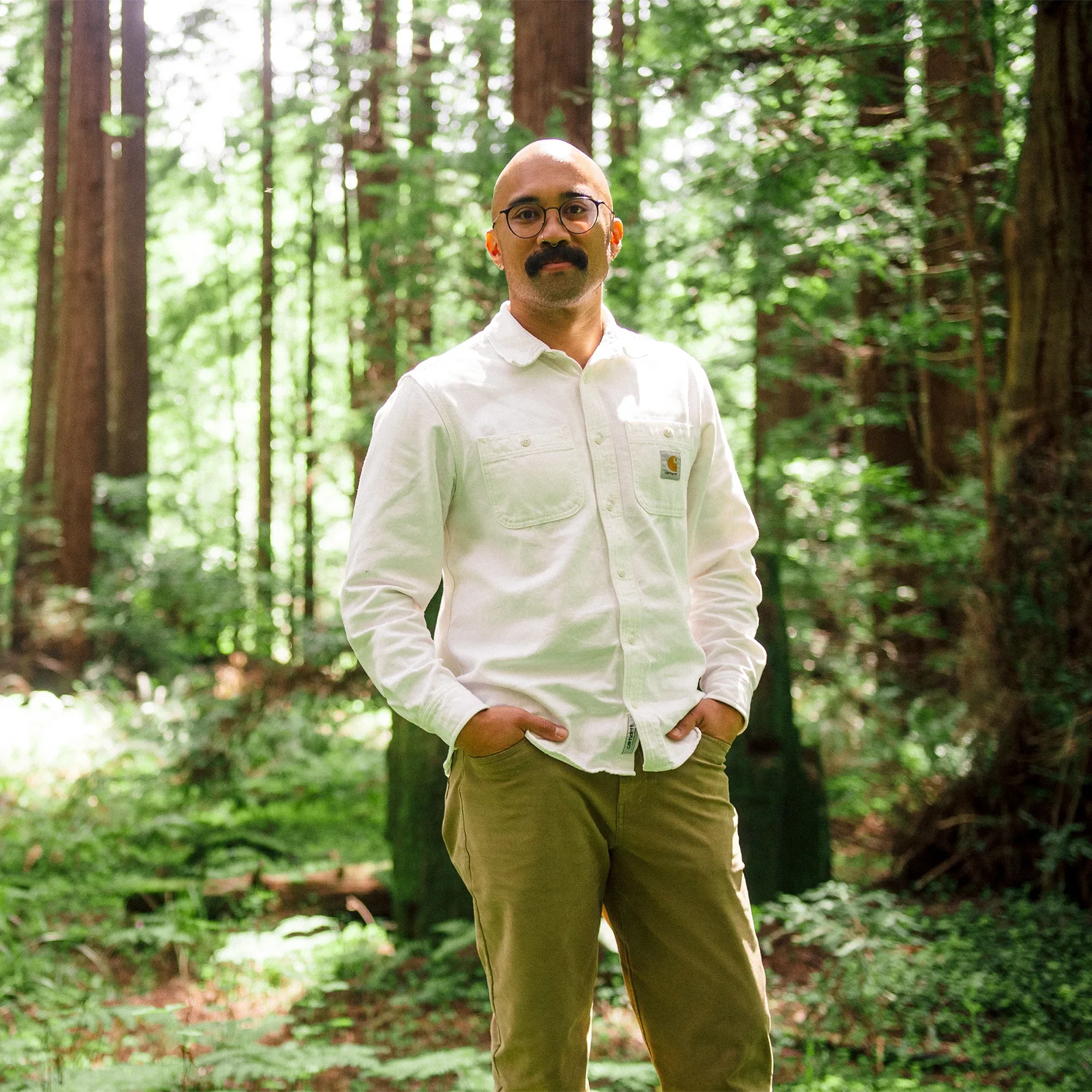
My work is warm, direct, relational, and rooted in the body.
I am a Somatic Experiencing Practitioner (SEP), Certified Professional Co-Active Coach (CPCC), co-founder of MELD (Men’s Emotional Leadership Development, men’s work facilitator, and teacher. I work with men through a nervous system-informed lens that integrates Somatic Experiencing®, Polyvagal Theory, emotional awareness, mindfulness, breath, movement and embodied presence.
I am not here to fix you. I am here to help you understand your patterns with more compassion, reconnect to the wisdom of your body, and support real movement where things have felt stuck.
This work is collaborative. It is paced. And it meets you where you are.
How to Begin Somatic Coaching
When my coaching roster opens back up you’ll have an opportunity to book a consultation call.
This gives us a chance to connect, talk about what is bringing you here, and get a feel for whether this work makes sense for where you are right now. There is no pressure to decide on the call. It is simply a space to explore what you are looking for and ask any questions you may have.
If something in you is tired of doing this alone, this may be a meaningful place to begin.

My Experience as a Coach and Facilitator
My work is grounded in years of experience supporting men in both one-on-one and group settings.
In addition to private coaching, I facilitate men’s retreats, workshops, and ongoing somatic programs focused on nervous system health, emotional awareness, and relational capacity. These spaces are designed to help men slow down, reconnect with their bodies, and practice showing up with more presence and honesty in their lives and relationships.
Working in group and retreat environments has deeply informed my one-on-one work. I’ve seen how stress, shutdown, and disconnection show up across many different men, and I’ve also witnessed how much can change when safety, attunement, and choice are prioritized. That perspective allows me to meet clients with clarity, compassion, and steadiness.
Whether I’m working with someone privately or in community, my role is the same: to create a grounded, supportive space where real change can happen without force or pressure. I take this responsibility seriously, and I bring care, integrity, and deep respect for each person’s nervous system into every session.
Other Ways to Work With Me
-

Somatic Men’s Retreat
SHIFT Men’s Retreat is a six-day somatic men’s retreat designed to help you reset your nervous system, reconnect with your body, and rediscover the spark that’s been buried under stress, pressure, and survival mode.
-

Virtual Somatic Workshop
THE PRACTICE is a weekly, donation based somatic workshop for men who want to better understand their nervous system, emotions, and mental health through direct experience.
-

Virtual Somatic Training
MELD CORE provides men with a comprehensive technique to navigate the complexities of life. These skills enable them to manage stress effectively, regulate their emotions, and cultivate healthy relationships. As a result, they are better equipped to handle conflicts, overcome obstacles, and achieve their goals.
Here’s what my clients say.
FAQs
-
Somatic coaching is a body-centered approach to trauma healing that helps men reconnect with their bodies and process stored trauma. The Greek word for "body" is "soma." Somatic coaching includes various somatic healing practices like breathwork, Trauma Release Exercises (TRE), the Hakomi Method, and Somatic Experiencing.
The model of somatic therapies I practice is rooted in Somatic Experiencing, Polyvagal Theory, IFS (Internal Family Systems), Somatic Mindfulness, and the MELD Method. I also infuse other body-based modalities, such as intuitive movement and breathwork, to tailor the experience to each client’s needs.
Read more about somatic trauma healing here.
-
We talk about what is bringing you here, what you are struggling with, and what you are hoping for. I’ll share more about how I work, answer your questions, and help you get a sense of whether this feels like the right next step.
-
At the center of my work is safety.
Before we ever work with difficult emotions, stress, or anxiety, we focus on helping your nervous system feel supported enough to be with what’s already there. This isn’t about forcing vulnerability or pushing through discomfort. It’s about building the capacity to stay present with your experience, at your own pace.
Somatic Experiencing works with the body and nervous system, not just thoughts or insight. Together, we pay attention to sensations, emotions, and patterns that live beneath the surface, especially the ones that show up in relationships. As safety grows, what once felt overwhelming becomes more manageable, and what felt shut down begins to open.
From the beginning, I prioritize a grounded and attuned connection. Many clients choose to work with me because they feel safe and understood early on. That relational safety is what allows real vulnerability and meaningful change to happen.
-
That is welcome here. A lot of men come into this work feeling numb, guarded, or unsure of what they feel. That does not mean you are doing it wrong. It often means your system has learned to protect you. We start there.
-
No. Somatic coaching is not therapy, and I do not provide diagnosis or psychotherapy through this work. Coaching can be deeply supportive, but it is a distinct process focused on awareness, nervous system regulation, patterns, and forward movement.
-
In traditional talk therapy like Cognitive Behavioral Therapy (CBT), the focus is on reframing negative thoughts and changing behavior patterns. It's a top-down approach—working from the mind to the body.
Somatic coaching, however, is a bottom-up approach, meaning the focus is on the body first. Through body-centered trauma healing, we drop awareness into the body, noticing sensations and feelings before attributing meaning to them. Releasing trauma becomes a physiological process rather than just a psychological one, helping men truly heal trauma stored in the body.Read more about the difference between somatic coaching and regular or traditional therapy here.
-
Common signs of unresolved trauma include anger, emotional numbness, withdrawal from relationships, and chronic stress or burnout. If you resonate with any of these symptoms, chances are you’re dealing with unresolved trauma.
Unhealed trauma often leads to men’s emotional disconnection and can show up in the body as tension or pain, which somatic coaching helps release.
Read more about the signs of trauma in men here.
-
Trauma often feels like a persistent, overwhelming weight, even after the initial stressor is gone. If you notice patterns of avoidance, dissociation, or deep-seated emotional reactions, it’s likely trauma. The somatic approach helps you identify whether it’s stress or trauma by focusing on how your body holds onto the experience.
Read more about how to tell the difference between trauma and stress here.
-
It’s all about chemistry. In somatic trauma coaching, feeling safe, seen, and heard is crucial. We’ll hop on a call to assess if we’re a good fit. If you feel both a bit nervous and hopeful during our initial interaction, that’s a great sign. Feeling emotional safety during this process is key to successful somatic healing.
Remember, the worst-case scenario is that we’re not a match, and that’s perfectly okay. -
I work with clients virtually, 3 times a month, for a minimum of 6 months. Each session lasts 60 minutes. We start by developing your somatic intelligence and learning the language of your body. This includes nervous system regulation techniques to help you manage stress and overwhelm effectively.
Over time, we’ll address specific topics in your life, helping you gain a new perspective and take conscious action. The goal is to slowly and intentionally guide you through healing trauma and achieving the transformation you desire.
-
The timeline for results varies. Some men experience significant breakthroughs after a few sessions, while others need more time depending on the depth of their trauma. Somatic trauma healing is a gradual process of reconnecting with your body and building emotional resilience.
Read more about the process here.
-
Childhood trauma often creates patterns of emotional suppression that last well into adulthood. Somatic coaching for childhood trauma helps men break free from these lifelong patterns by reconnecting them with their bodies, allowing them to safely process unresolved emotional wounds.
Read more about how somatic coaching addresses childhood trauma in men here.
-
Emotional Trauma
Physical Trauma
Sexual Trauma
Acute and Complex Trauma
PTSD and cPTSD
Marriage/Partnership
Separation/Divorce
Confidence and Motivation
Behavior Modification and Habit Training
Somatic Embodiment
Emotional Awareness and Intelligence
Conflict Resolution and Communication
-
Most clients work with me for 1.5 to 2 years. There’s a minimum 6-month commitment to ensure that somatic healing has time to take root and create lasting change.
-
I have a BA in Education, and I spent years teaching young people across Northern California. Now, I’m a Somatic Experiencing Practitioner (SEP), a Certified Co-Active Coach (CPCC), and ICF Certified, with specialized training in body-centered trauma healing for men.
-
In our sessions, you'll experience a combination of techniques from Somatic Experiencing, IFS (Internal Family Systems), Inner Child Work, movement therapy, breathwork, and mindfulness. These modalities work together to help you heal from trauma, reconnect with your body, and regain control of your life.
-
At the center of my work is safety.
Before we ever work with difficult emotions, stress, or anxiety, we focus on helping your nervous system feel supported enough to be with what’s already there. This isn’t about forcing vulnerability or pushing through discomfort. It’s about building the capacity to stay present with your experience, at your own pace.
Somatic Experiencing works with the body and nervous system, not just thoughts or insight. Together, we pay attention to sensations, emotions, and patterns that live beneath the surface, especially the ones that show up in relationships. As safety grows, what once felt overwhelming becomes more manageable, and what felt shut down begins to open.
From the beginning, I prioritize a grounded and attuned connection. Many clients choose to work with me because they feel safe and understood early on. That relational safety is what allows real vulnerability and meaningful change to happen.
-
Yes. Many men seek somatic coaching because they feel burned out, emotionally disconnected, anxious, shut down, or overwhelmed by stress. This work can help you understand those patterns through a nervous system lens and begin relating to them differently.