Online Somatic Group Coaching for Men in Long-Term Partnerships
Stay connected to yourself and your partner when conversations get difficult.
You’re committed to your partner and you know you need to change.
You’re halfway through a conversation and realize you’re no longer listening. Your jaw is tight. You’re preparing your defense, trying to explain what you meant.
Later, when things have settled, you can see what you wish you’d done differently. But finding that clarity in the moment is harder.
You love your partner. You want to be able to disagree, say what you feel, and work through something difficult without losing your voice or your connection.
I’m creating a three-month somatic men’s group where eight men will practice these skills together, with attention to the body, emotions, and nervous system.
Hear more about the group and receive an invitation to talk with me by joining the waitlist on the right.
Joining expresses interest without committing you to the program.
Hello, World!
[ConvertKit Form
Maybe some of this feels familiar.
-
You feel criticized and immediately defend yourself.
Your partner is telling you something hurt them, but you’re focused on explaining your intentions. You both end up feeling unheard.
-
Anger takes up more space than you want it to.
Sometimes you hold it in and spend hours arguing in your head. Other times, frustration comes out as sharp words, yelling, or rage. You regret the impact, even when what upset you still matters.
-
You want to get away from the conversation.
You leave the room, reach for your phone, or turn toward work. You tell yourself you’ll talk later, but returning gets harder.
-
You go blank when asked how you feel.
“Nothing.” “I’m fine.” “It’s okay.” You sense there’s more happening inside, but you don’t know how to reach it or put it into words.
-
You agree before checking what you want.
You keep the peace, go along with the plan, or apologize to end the tension. Later, you feel resentful or realize you never said what was true for you.
-
A disagreement leaves you questioning the whole relationship.
You replay the conversation and worry that the distance is growing. Maybe you’re afraid your partner will eventually leave.

You might move between several of these responses. And afterward, there may be shame or that familiar feeling that you should be further along by now.
Maybe you’ve already explored these patterns in therapy. You can recognize them afterward. You want more practice finding another response while they’re happening.
The intention is to build more choice in how you respond, through practice you can carry into everyday life.
We’ll start with what you can notice.
A clenched jaw. A held breath. Heat in your chest. The feeling of going numb.
That’s where the somatic approach begins: paying attention to your experience in your body. We’ll practice noticing what happens as tension builds, getting more specific about your emotions, and recognizing your familiar ways of responding.
We’ll also explore how those responses may have helped you feel safer in childhood or previous relationships. Understanding that history gives us room for compassion alongside responsibility for how you show up today.

From there, we practice small, imperfect actions:
Asking for a pause when you notice yourself getting heated, then returning to the conversation.
Finding words for what you feel and what matters to you.
Saying you disagree without dismissing your partner’s experience.
Expressing a desire or a limit when your first impulse is to keep the peace.
Coming back after a difficult moment to acknowledge your impact, listen, and repair.
A container where you get to be unedited, unfiltered, and messy.
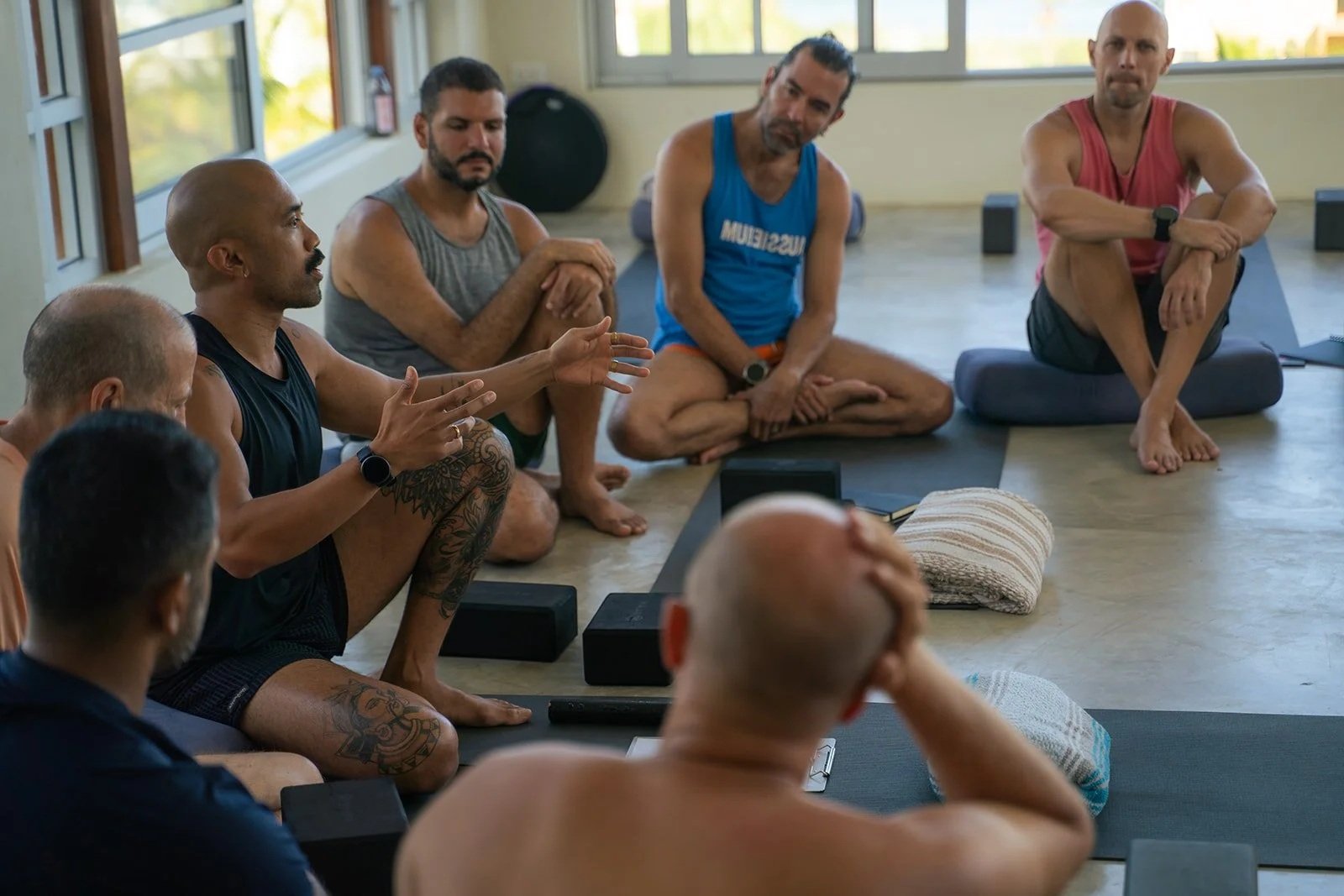
This is a space where you get to practice with other men.
Imagine noticing that you’re about to agree with someone in the group, even though you feel differently. You pause and try saying so. You notice what happens in your body as you speak, and what it’s like to stay in connection while being honest.
Or you share something you usually keep to yourself. Another man offers a reflection that helps you see a pattern you hadn’t noticed.
I’ll guide these moments with care, helping you slow down, get curious, and find a manageable stretch. You’ll have room to build trust and choose how much you share as we get to know one another.
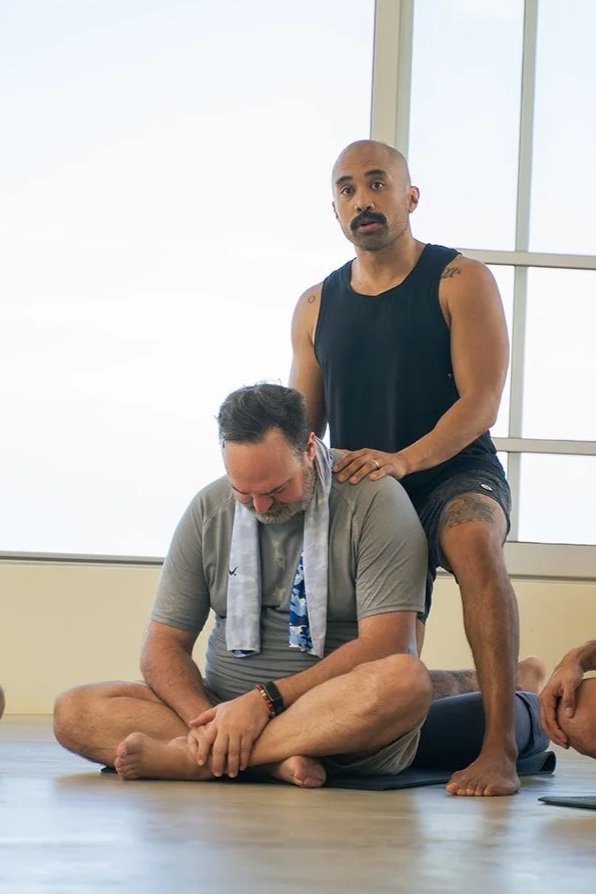
What the online somatic men’s group will include
-
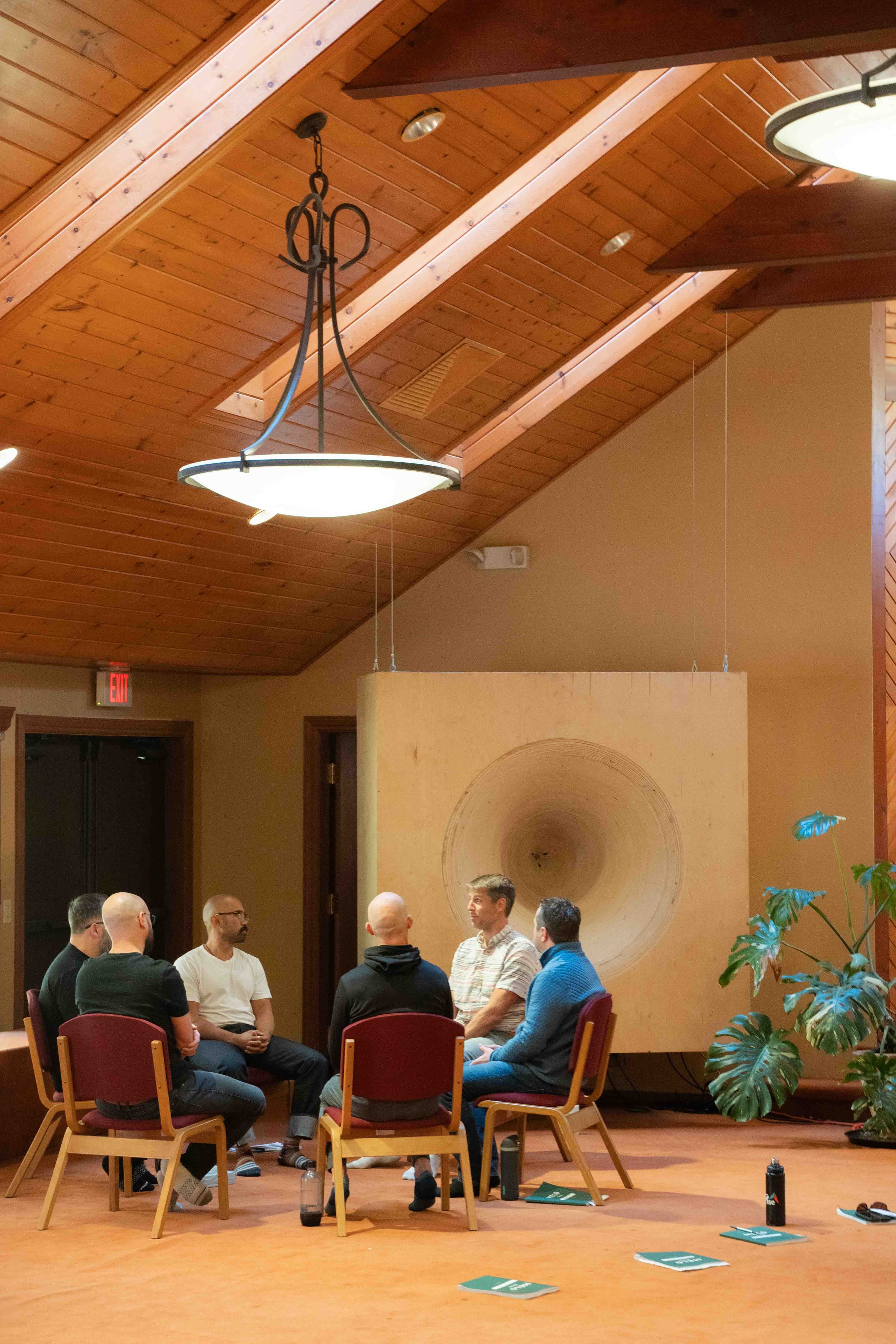
Three months with eight men, allowing us to build relationships over time.
-
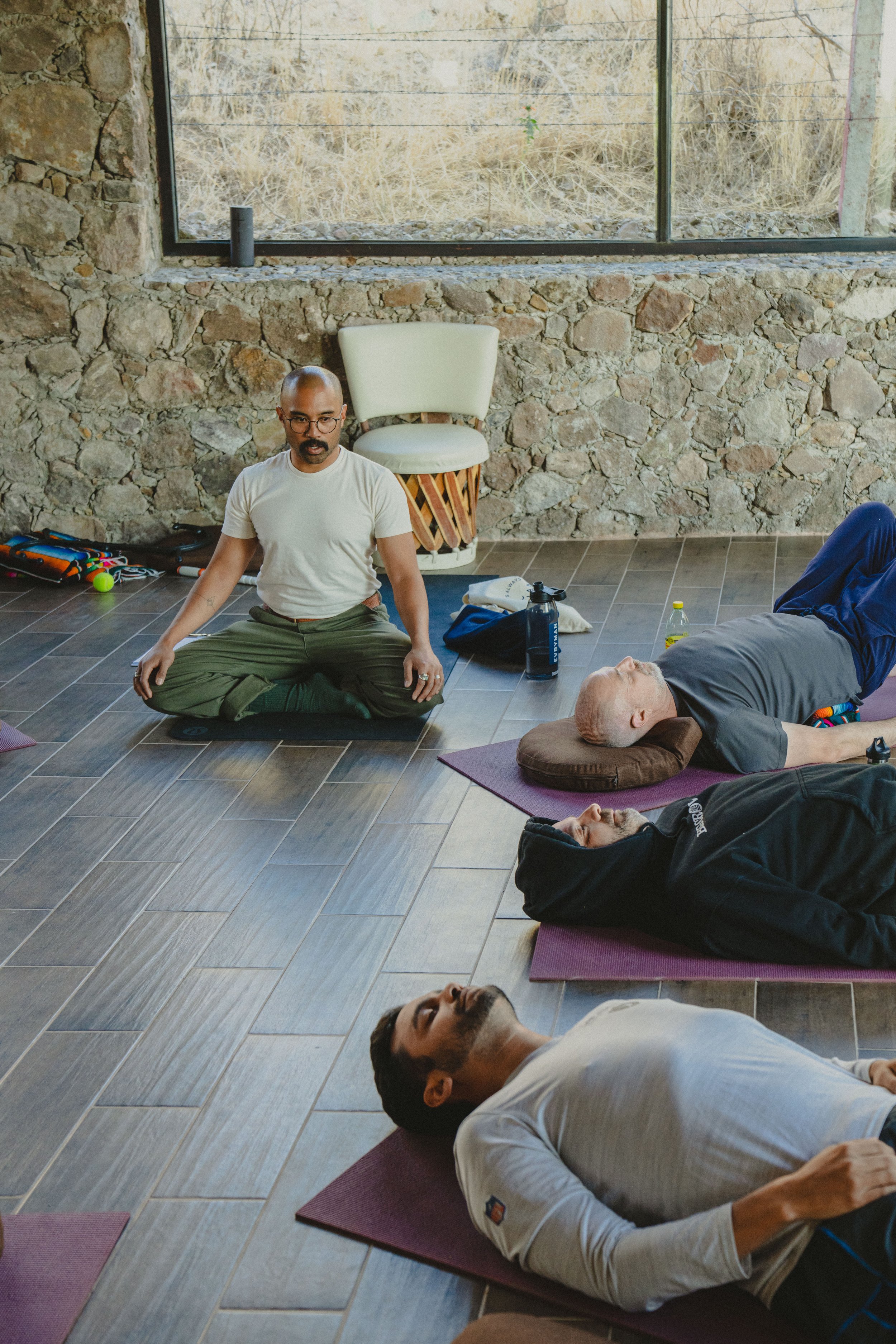
Weekly two-hour group calls with me, including guided body awareness, emotional exploration, conversation, and coaching.
-

Paired practice between sessions, connecting with another man in the group to practice listening and honest sharing.
-

Simple practices for daily life, with skills that build gradually and room to explore situations you bring from home.

A little about me and why I’m creating this
I’m Mike, a Somatic Experiencing Practitioner, Certified Professional Co-Active Coach, men’s work facilitator, and teacher.
I want men to have a place where they can be honest about what’s difficult and receive support as they practice. My approach brings together compassion, direct reflection, and small stretches, with attention to what’s happening in your body and what you’re ready to explore.
This work also reaches beyond difficult conversations. Work and providing may take up much of your attention, and achievement may be where you feel most sure of your worth. I want this group to support a fuller life: friendships you invest in, interests you enjoy, care for your body, and time to appreciate what you’ve built.
Three months gives us a foundation to keep practicing. Your partner will have their own choices, and the program cannot promise a particular outcome for your relationship. Our focus will be on your capacity for presence, honesty, and connection.

First, start with a conversation.
If any of this resonates with you, book a Q&A call with me.
On the call, we’ll explore what you’re looking for, answer your questions, and see whether the group feels like a fit.
Or put your name on the waitlist and you’ll receive updates about the group, including confirmed dates and details.
A little more about me
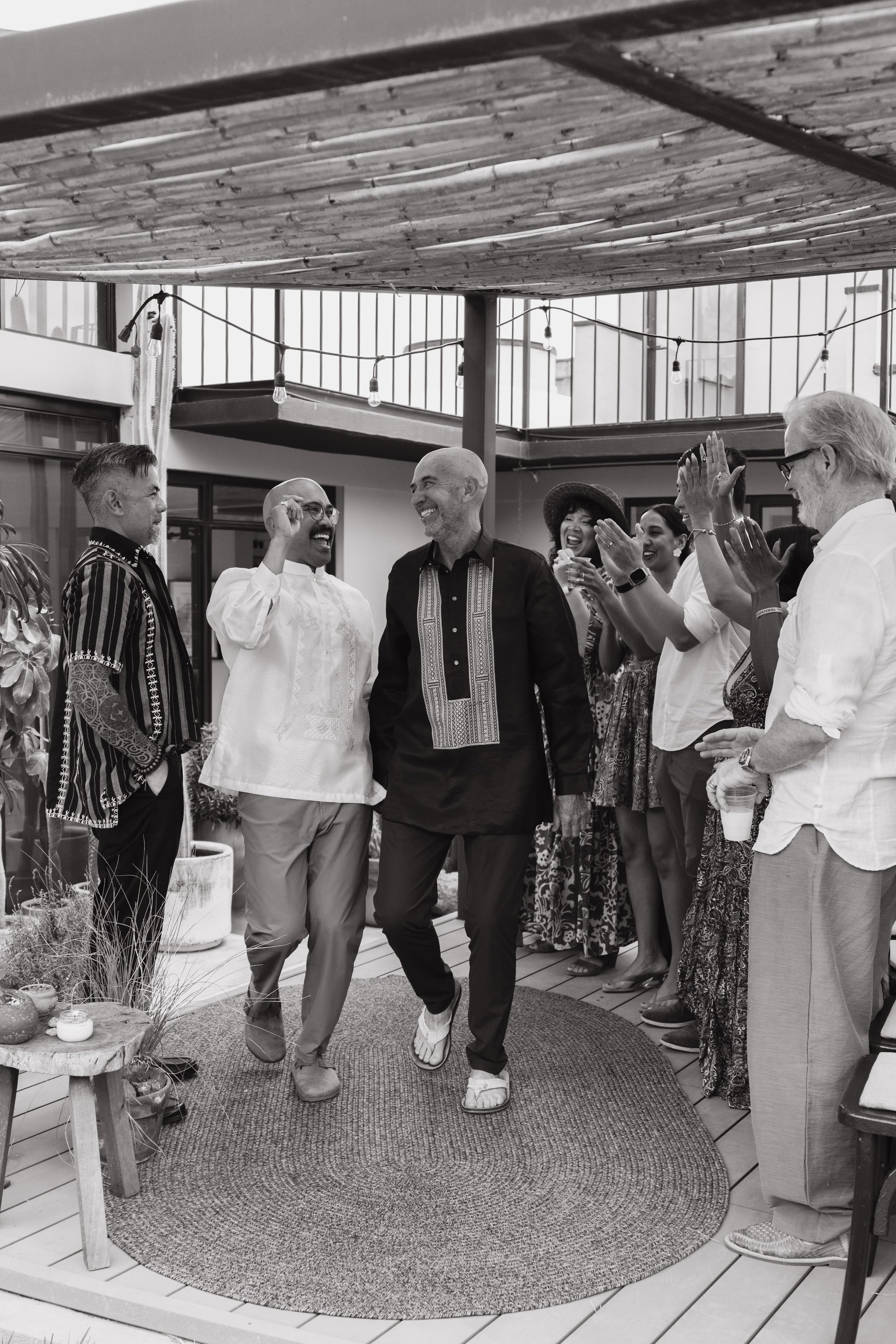
Jerry, my husband, and I have been together for 15 years, and we recently celebrated our 10-year wedding anniversary with a vow renewal. In our vows, we named our flaws, acknowledged the personal work we each bring into our marriage, and recommitted to learning with each other.
I experience many of the things we’ll explore in this group. I have moments when I get defensive, react, or struggle to say what I’m feeling. There are times when I hurt the person I love, even when connection is what I want.
One of the things I value most about our marriage is how we return to repair. We come back, acknowledge our part, listen, and try again. Over time, that practice has helped us build more trust in each other and in our relationship.
That’s part of why I’m creating this group. I know how much practice this takes, and how valuable it is to have other men to practice with. I’ll bring my training, my experience supporting men, and what I continue to learn in my own life and marriage.