

Somatic Coaching for Men Who Want to Feel More Present, Connected, and Alive
If you’ve done therapy or personal growth work but still feel stressed, anxious, or disconnected in your relationships, this body-based approach works with your nervous system to help you build real capacity to be with your life, your emotions, and the people you love.
If this is you, you’re not alone.
You might be here because something in your life doesn’t feel the way you want it to.
-
You’ve done therapy or personal growth work, but you still feel stressed, anxious, or on edge in your day-to-day life.
-
You want to show up more fully in your relationships, yet stress, reactivity, or emotional distance keeps getting in the way.
-
You’re tired of pushing, fixing, or powering through and are looking for an approach that feels more sustainable.
-
You sense that your nervous system is part of what’s driving your stress and relationship patterns, even if you don’t fully know how yet.
-
You stay busy or productive to avoid slowing down, because slowing down feels uncomfortable or unsettling.
About Somatic Coaching for Men
-
At the center of my work is safety.
Before we ever work with difficult emotions, stress, or anxiety, we focus on helping your nervous system feel supported enough to be with what’s already there. This isn’t about forcing vulnerability or pushing through discomfort. It’s about building the capacity to stay present with your experience, at your own pace.
Somatic coaching works with the body and nervous system, not just thoughts or insight. Together, we pay attention to sensations, emotions, and patterns that live beneath the surface, especially the ones that show up in relationships. As safety grows, what once felt overwhelming becomes more manageable, and what felt shut down begins to open.
From the beginning, I prioritize a grounded and attuned connection. Many clients choose to work with me because they feel safe and understood early on. That relational safety is what allows real vulnerability and meaningful change to happen.
-
Most people arrive to their first session carrying a lot.
By the end of our time together, many clients notice a sense of relief in their body. They feel more settled, more present, and often surprised by how much space has opened inside. There’s frequently a mix of calm and energy, a feeling of being seen and heard, along with a renewed sense of motivation.
Our sessions are collaborative and paced. We spend time orienting to what feels supportive before ever moving toward what feels challenging. This might include slowing down, tracking sensations, noticing breath, or gently exploring how emotions show up in the body. You don’t need to know how to do this. I guide the process and adjust to what your nervous system is ready for.
You won’t be asked to relive your past or push into anything overwhelming. Instead, the work is about learning how to soften in your body, build awareness, and stay connected to yourself in moments that used to feel stressful or shutting down.
Over time, this approach helps your nervous system learn that it can be with more, without forcing change. That’s where real relief, clarity, and forward movement begin.
-
This work unfolds over time.
In the early stages of somatic coaching, many clients experience relief. Their nervous system begins to settle, and they start to feel more present in their body and their day-to-day life. Stress and anxiety become easier to recognize and respond to, rather than something that takes over.
With consistent work over several months, deeper changes often begin to take shape. Clients commonly notice healthier relationships, clearer communication, and less stress in their connections with others. As their nervous system builds capacity, they feel more vitality in their body and a greater sense of agency in how they respond to challenges.
Over time, clients also develop practical tools they can use outside of sessions. These include ways to self-regulate when emotions or sensations feel intense, skills for self-inquiry and reflection, and a growing trust in their ability to care for themselves in moments that once felt overwhelming.
This isn’t about fixing yourself. It’s about learning how to be with your life more fully, with more choice, stability, and ease.
My Experience as a Coach and Facilitator
My work is grounded in years of experience supporting men in both one-on-one and group settings.
In addition to private coaching, I facilitate men’s retreats, workshops, and ongoing somatic programs focused on nervous system health, emotional awareness, and relational capacity. These spaces are designed to help men slow down, reconnect with their bodies, and practice showing up with more presence and honesty in their lives and relationships.
Working in group and retreat environments has deeply informed my one-on-one work. I’ve seen how stress, shutdown, and disconnection show up across many different men, and I’ve also witnessed how much can change when safety, attunement, and choice are prioritized. That perspective allows me to meet clients with clarity, compassion, and steadiness.
Whether I’m working with someone privately or in community, my role is the same: to create a grounded, supportive space where real change can happen without force or pressure. I take this responsibility seriously, and I bring care, integrity, and deep respect for each person’s nervous system into every session.

Who this Work is For
“You don’t need to have language for what’s happening in your body. You just need a willingness to be present, curious, and engaged in the process.”
This work is a good fit if you’re someone who is curious, reflective, and willing to slow down.
You may be well-resourced, capable, and successful in many areas of your life, yet still feel stressed, disconnected, or unsatisfied in your relationships. You’re open to a body-based approach and interested in understanding how your nervous system shapes your emotions, patterns, and capacity for connection.
This work tends to resonate with men who:
Have done therapy or personal growth work and sense there’s another layer to explore
Want healthier, more grounded relationships and better communication
Are willing to build awareness gradually rather than push for quick fixes
Value safety, honesty, and a collaborative coaching relationship

Work With Me
If you’re curious about working together, the first step is a free consultation call.
This is a chance for us to connect, talk about what’s bringing you here, and explore whether somatic coaching together feels like a good fit. There’s no pressure to decide on the call. My priority is that you feel supported, informed, and clear about your next steps.
Other Ways to Work With Me

Somatic Workshop for Men
SHIFT: A Somatic Weekend for Men is a grounded, in-person workshop in the SF Bay Area designed to help men come back into their bodies, understand stress through a somatic lens, and build practical tools for emotional awareness and regulation.
Somatic Men’s Retreat
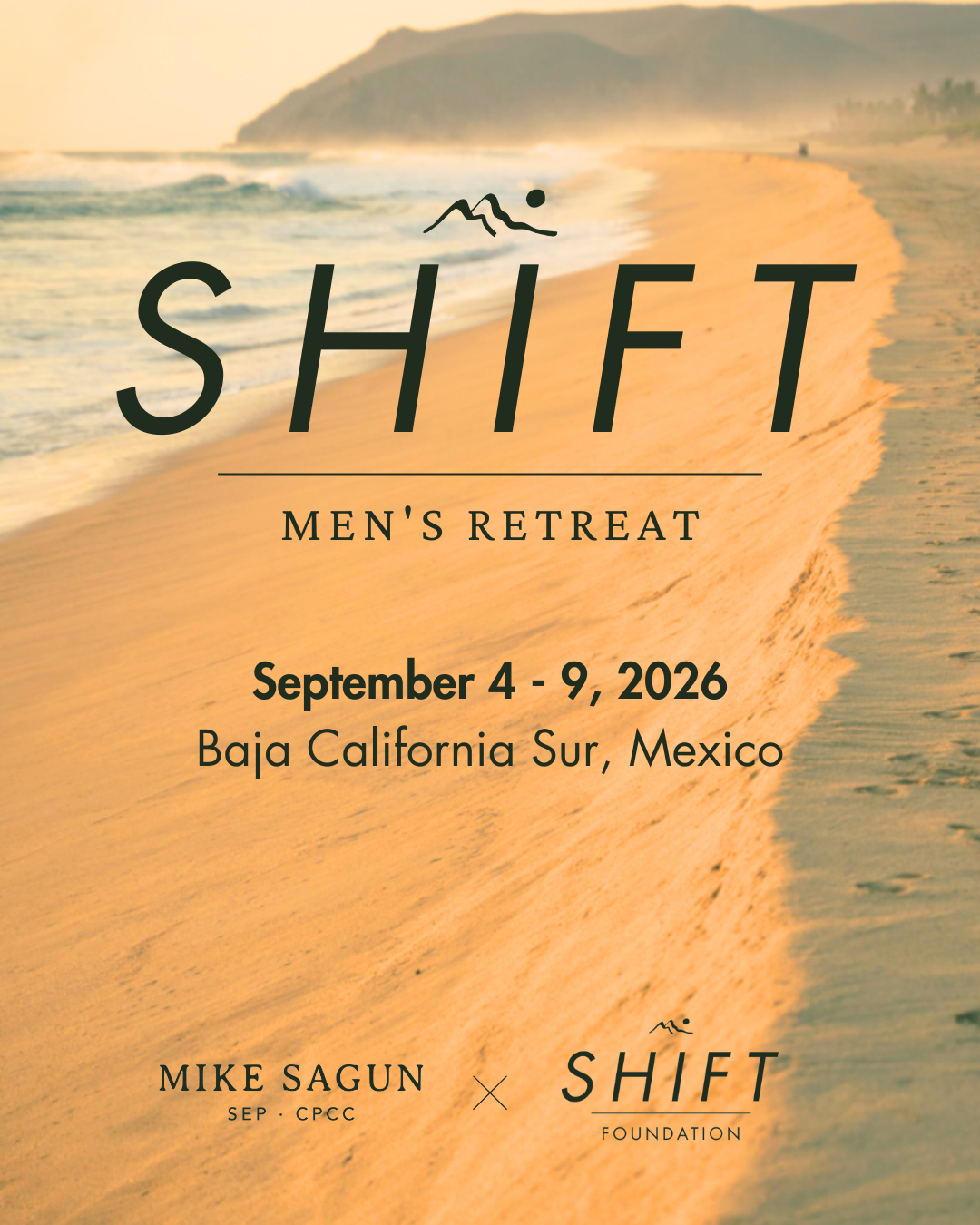
SHIFT Men’s Retreat is a six-day somatic men’s retreat designed to help you reset your nervous system, reconnect with your body, and rediscover the spark that’s been buried under stress, pressure, and survival mode.

Somatic Retreat & Training
The PRIME Retreat is MELD’s transformative 4-day in-person training, bringing men together to connect – to feel alive and clear again.

Virtual Somatic Workshop
THE PRACTICE is a twice monthly, donation based somatic workshop for men who want to better understand their nervous system, emotions, and mental health through direct experience.
Virtual Somatic Training
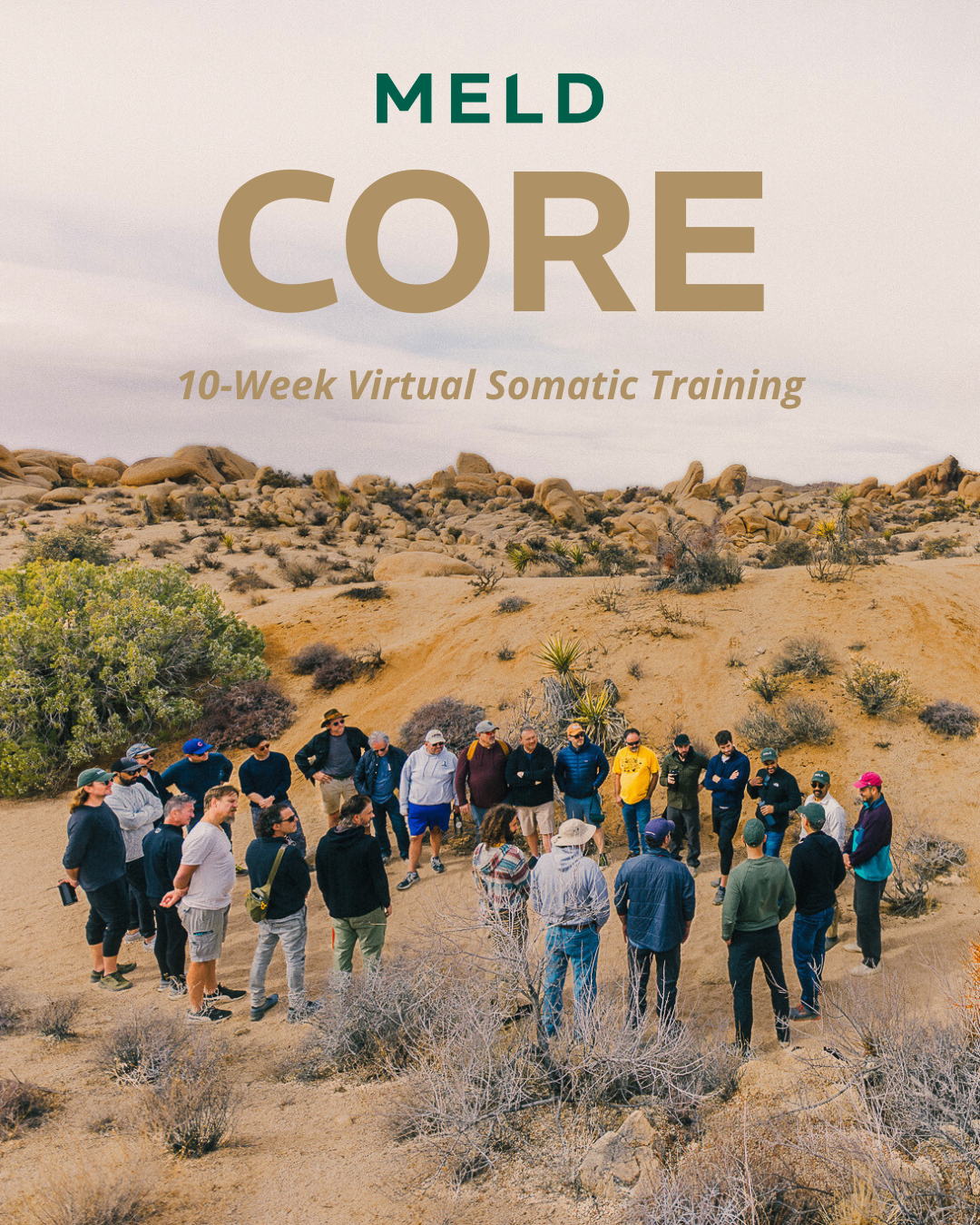
MELD CORE provides men with a comprehensive technique to navigate the complexities of life. These skills enable them to manage stress effectively, regulate their emotions, and cultivate healthy relationships. As a result, they are better equipped to handle conflicts, overcome obstacles, and achieve their goals.
FAQs
-
Somatic coaching is a body-centered approach to trauma healing that helps men reconnect with their bodies and process stored trauma. The Greek word for "body" is "soma." Somatic coaching includes various somatic healing practices like breathwork, Trauma Release Exercises (TRE), the Hakomi Method, and Somatic Experiencing.
The model of somatic therapies I practice is rooted in Somatic Experiencing, Polyvagal Theory, IFS (Internal Family Systems), Somatic Mindfulness, and the MELD Method. I also infuse other body-based modalities, such as intuitive movement and breathwork, to tailor the experience to each client’s needs.
Read more about somatic trauma healing here.
-
Common signs of unresolved trauma include anger, emotional numbness, withdrawal from relationships, and chronic stress or burnout. If you resonate with any of these symptoms, chances are you’re dealing with unresolved trauma.
Unhealed trauma often leads to men’s emotional disconnection and can show up in the body as tension or pain, which somatic coaching helps release.
Read more about the signs of trauma in men here.
-
Trauma often feels like a persistent, overwhelming weight, even after the initial stressor is gone. If you notice patterns of avoidance, dissociation, or deep-seated emotional reactions, it’s likely trauma. The somatic approach helps you identify whether it’s stress or trauma by focusing on how your body holds onto the experience.
Read more about how to tell the difference between trauma and stress here.
-
In traditional talk therapy like Cognitive Behavioral Therapy (CBT), the focus is on reframing negative thoughts and changing behavior patterns. It's a top-down approach—working from the mind to the body.
Somatic coaching, however, is a bottom-up approach, meaning the focus is on the body first. Through body-centered trauma healing, we drop awareness into the body, noticing sensations and feelings before attributing meaning to them. Releasing trauma becomes a physiological process rather than just a psychological one, helping men truly heal trauma stored in the body.Read more about the difference between somatic coaching and regular or traditional therapy here.
-
It’s all about chemistry. In somatic trauma coaching, feeling safe, seen, and heard is crucial. We’ll hop on a call to assess if we’re a good fit. If you feel both a bit nervous and hopeful during our initial interaction, that’s a great sign. Feeling emotional safety during this process is key to successful somatic healing.
Remember, the worst-case scenario is that we’re not a match, and that’s perfectly okay. -
I work with clients virtually, 3 times a month, for a minimum of 6 months. Each session lasts 60 minutes. We start by developing your somatic intelligence and learning the language of your body. This includes nervous system regulation techniques to help you manage stress and overwhelm effectively.
Over time, we’ll address specific topics in your life, helping you gain a new perspective and take conscious action. The goal is to slowly and intentionally guide you through healing trauma and achieving the transformation you desire.
-
The timeline for results varies. Some men experience significant breakthroughs after a few sessions, while others need more time depending on the depth of their trauma. Somatic trauma healing is a gradual process of reconnecting with your body and building emotional resilience.
Read more about the process here.
-
Childhood trauma often creates patterns of emotional suppression that last well into adulthood. Somatic coaching for childhood trauma helps men break free from these lifelong patterns by reconnecting them with their bodies, allowing them to safely process unresolved emotional wounds.
Read more about how somatic coaching addresses childhood trauma in men here.
-
Emotional Trauma
Physical Trauma
Sexual Trauma
Acute and Complex Trauma
PTSD and cPTSD
Marriage/Partnership
Separation/Divorce
Confidence and Motivation
Behavior Modification and Habit Training
Somatic Embodiment
Emotional Awareness and Intelligence
Conflict Resolution and Communication
-
Most clients work with me for 1.5 to 2 years. There’s a minimum 6-month commitment to ensure that somatic healing has time to take root and create lasting change.
-
I have a BA in Education, and I spent years teaching young people across Northern California. Now, I’m a Somatic Experiencing Practitioner (SEP), a Certified Co-Active Coach (CPCC), and ICF Certified, with specialized training in body-centered trauma healing for men.
-
In our sessions, you'll experience a combination of techniques from Somatic Experiencing, IFS (Internal Family Systems), Inner Child Work, movement therapy, breathwork, and mindfulness. These modalities work together to help you heal from trauma, reconnect with your body, and regain control of your life.